In a significant move, Zomato, the popular food delivery giant, has announced a potential rebranding effort with its board of directors approving a name change to ‘Eternal Ltd.’. The decision, revealed by Zomato’s CEO Deepinder Goyal, marks a strategic shift for the company as it aims to expand its vision beyond food delivery.

Why the Name Change?

The name ‘Eternal Ltd.’ is seen as a reflection of Zomato’s long-term aspirations. Over the years, Zomato has evolved from a food delivery platform to a broader tech-driven company with interests in various segments, including quick commerce (Blinkit) and dining solutions (Zomato Gold). The rebranding will signal a more diverse business strategy and reinforce its commitment to longevity and innovation.

While the company has not officially disclosed the exact reasons behind the name change, Deepinder Goyal has hinted at a broader, long-term vision that goes beyond the core food delivery business. This aligns with the company’s continuous efforts to expand and innovate in the rapidly evolving digital commerce landscape.

Impact on Business and Stakeholders

Rebranding a well-established name like Zomato is a bold move, considering its strong brand equity among Indian consumers. However, analysts believe this change could help the company create a larger umbrella for its diverse ventures. Shareholders, customers, and delivery partners will likely be watching closely to understand how this shift will impact Zomato’s core business operations.

Investors have expressed mixed reactions to the announcement. While some see this as an opportunity for Zomato to reposition itself for future growth, others are concerned about potential confusion among customers and the impact on brand recall. Despite these concerns, the company’s leadership appears confident in its strategy.

Deepinder Goyal’s Vision

Deepinder Goyal, who has been instrumental in Zomato’s success, emphasized that the name change is a reflection of the company’s long-term goals. While speaking about the decision, he stated that the move is part of a larger plan to stay relevant and create a lasting impact in the industry.

Under Goyal’s leadership, Zomato has expanded aggressively, acquiring Blinkit for quick commerce and introducing initiatives like Zomato Gold to enhance customer loyalty. The name change could signify a further shift towards a multi-faceted business model that extends beyond food delivery.

Challenges and Considerations

Rebranding comes with its own set of challenges. A well-established brand like Zomato enjoys strong recall and trust among customers, and changing the name might require significant marketing efforts to ensure a smooth transition. Furthermore, regulatory approvals and operational changes could take time to materialize.

Another crucial aspect will be how Zomato (or Eternal Ltd.) communicates this change to its stakeholders. The company will need a well-planned branding strategy to maintain customer trust and ensure seamless adoption of the new identity.

What’s Next?

While the board has approved the name change, the final implementation will require regulatory approvals and stakeholder buy-in. Until then, Zomato will continue to operate under its existing branding. It remains to be seen how the market will react in the long run and whether this transformation will pave the way for new business opportunities.

For now, one thing is clear—Zomato is gearing up for a future that extends beyond food delivery, and ‘Eternal Ltd.’ could be the new identity that leads the way.

India and the United States are poised to initiate discussions to strengthen their trade relationship, coinciding with Prime Minister Narendra Modi’s upcoming visit to the U.S. This development underscores the deepening ties between the world’s largest democracies, focusing on economic collaboration and mutual growth.

Background

The U.S. is India’s largest trading partner, with bilateral trade surpassing $118 billion in the 2023/24 fiscal year, and India maintaining a trade surplus of $32 billion. Despite this robust relationship, trade tensions have surfaced in recent years. The U.S. has expressed concerns over the high tariffs India imposes on American products, leading to discussions about creating a more balanced and fair trading environment.

reuters.com

Recent Developments

In anticipation of Prime Minister Modi’s visit, both nations have engaged in preliminary talks to address these trade disparities. Discussions have centered on reducing tariffs and enhancing market access for specific goods. India is considering lowering import duties on over 30 items, including luxury cars, solar cells, and chemicals, which could lead to increased imports from the U.S. This move aims to reduce average tariffs and address U.S. concerns about trade imbalances.

reuters.com

Additionally, the two countries are exploring out-of-court resolutions for several trade disputes pending at the World Trade Organization (WTO). With the WTO’s appellate body currently non-functional, an out-of-court settlement appears to be the most viable option to resolve these issues amicably.

swarajyamag.com

Strategic Trade Dialogue

Ahead of the Prime Minister’s visit, India and the U.S. held the inaugural meeting of the India-U.S. Strategic Trade Dialogue (IUSSTD). This dialogue focused on facilitating the development and trade of critical technologies, including semiconductors, space, telecommunications, quantum computing, artificial intelligence, defense, and biotechnology. Both sides reviewed relevant export control regulations to build and diversify resilient supply chains for these strategic technologies.

timesofindia.indiatimes.com

Leadership Engagement

The anticipated meeting between Prime Minister Modi and President Donald Trump is expected to further these discussions. Both leaders have previously emphasized the importance of fair trade and have expressed a commitment to strengthening economic ties. In a recent phone call, President Trump highlighted the need for India to purchase more American-made security equipment and work towards a fairer bilateral trading relationship.

As Prime Minister Modi prepares for his U.S. visit, the focus on initiating free trade talks signifies a mutual desire to enhance economic cooperation. By addressing existing trade disparities and exploring new avenues for collaboration, both nations aim to foster a more balanced and prosperous partnership that reflects their shared democratic values and strategic interests.

On January 24, 2025, the U.S. military commenced deportation flights using C-17 military aircraft. Two planes, each carrying approximately 80 migrants, were dispatched from the United States to Guatemala. This marked a departure from traditional deportation methods, which typically utilize commercial or chartered flights. The administration has signaled that these military-operated deportations will become a daily occurrence.

The Case of Indian Migrants

Indian nationals represent a notable segment of undocumented immigrants in the U.S. Estimates suggest that there are approximately 725,000 unauthorized Indian immigrants residing in the country, making them the third-largest group after individuals from Mexico and El Salvador.

In October 2024, the U.S. Department of Homeland Security (DHS) chartered a flight to repatriate Indian nationals who lacked legal standing to remain in the U.S. This action was undertaken in cooperation with the Indian government, reflecting a collaborative effort to address illegal migration.

Rationale Behind Using Military Aircraft

The decision to employ military planes for deportations is multifaceted:

  1. Resource Allocation: The administration has declared illegal immigration a national emergency, justifying using military resources to address the issue. This approach allows for rapid mobilization and execution of deportation operations.
  2. Operational Efficiency: Military aircraft, such as the C-17, can transport large numbers of individuals over long distances without the scheduling constraints associated with commercial airlines. This capability is particularly useful for mass deportations to distant countries.
  3. Deterrence: The use of military assets sends a strong message regarding the administration’s commitment to enforcing immigration laws, potentially deterring future unauthorized migration.

Financial Implications

Utilizing military aircraft for deportations is significantly more expensive than traditional methods. The C-17, for instance, costs approximately $28,500 per flight hour, compared to $8,500 per hour for standard Immigration and Customs Enforcement (ICE) flights. Given that flights to destinations like Guatemala can take around five hours, the financial burden is substantial.

wsj.com

International Collaboration and Repatriation Efforts

The U.S. has been actively engaging with countries like India to facilitate the repatriation of their nationals. India has expressed willingness to cooperate, identifying approximately 18,000 citizens residing illegally in the U.S. for repatriation. This collaboration aims to strengthen legal migration pathways and address concerns related to irregular migration.

timesofindia.indiatimes.com

The Trump administration’s use of military aircraft for deporting undocumented migrants, including Indian nationals, reflects a strategic decision to leverage available resources in addressing illegal immigration. While this approach underscores a commitment to stringent enforcement, it also raises questions about cost-effectiveness and the broader implications for U.S. immigration policy. As these efforts continue, the collaboration between the U.S. and countries like India will play a crucial role in managing migration challenges and ensuring the integrity of legal immigration systems.

Tourism is one of the key drivers of economic growth and cultural exchange in any country. In India, the tourism sector contributes significantly to employment generation, infrastructure development, and foreign exchange earnings. Recognizing the potential of this sector, the government has been consistently working on policies that enhance tourism and create new opportunities for travelers and businesses.

Recently, Andhra Pradesh’s Tourism Minister, Kandula Durgesh, announced a new tourism policy aimed at boosting the state’s tourism industry. This initiative is expected to bring transformative changes, attracting more domestic and international visitors while creating job opportunities and supporting local businesses.

In this article, we will explore the key highlights of the new tourism policy, its expected impact on the tourism industry, and what travelers and stakeholders can anticipate in the coming years.


The Importance of Tourism in Andhra Pradesh

Andhra Pradesh is known for its rich cultural heritage, stunning landscapes, and vibrant traditions. The state offers a diverse range of tourist attractions, including:

  • Spiritual Destinations: Tirumala Tirupati, Srisailam, Kanaka Durga Temple, Simhachalam, and Pancharama Kshetras.
  • Coastal Attractions: Visakhapatnam, Rishikonda Beach, Araku Valley, and Kakinada Beach.
  • Historical Sites: Amaravati, Lepakshi, Undavalli Caves, and Gandikota Fort.
  • Adventure & Eco-Tourism: Papikondalu, Borra Caves, Maredumilli, and Lambasingi.

With such a vast array of attractions, Andhra Pradesh has immense potential to become one of India’s top tourism destinations. However, challenges such as inadequate infrastructure, lack of promotional efforts, and underdeveloped tourism facilities have limited its growth. The new tourism policy aims to address these challenges and unlock the full potential of the state’s tourism industry.


Key Highlights of the New Tourism Policy

Minister Kandula Durgesh has outlined several focus areas in the new tourism policy. These include:

1. Infrastructure Development

One of the primary goals of the policy is to improve tourism infrastructure across the state. This includes:

  • Development of world-class hotels, resorts, and homestays in major tourist destinations.
  • Improvement of transport facilities, including better road connectivity, rail networks, and airport expansion.
  • Creation of eco-friendly tourism zones to promote sustainable travel experiences.

2. Promotion of Heritage and Cultural Tourism

Andhra Pradesh is home to several ancient temples, forts, and monuments. The policy aims to:

  • Restore and preserve historical sites with government funding.
  • Promote cultural festivals at an international level to attract foreign tourists.
  • Collaborate with UNESCO to gain more heritage site recognitions.

3. Adventure & Eco-Tourism Initiatives

To attract adventure enthusiasts and nature lovers, the government plans to:

  • Develop trekking trails, water sports activities, and wildlife sanctuaries.
  • Encourage private investments in adventure tourism projects.
  • Introduce special tourism circuits like Araku Valley-Lambasingi eco-tourism trails.

4. Religious Tourism Boost

Religious tourism is one of the biggest attractions in Andhra Pradesh. The policy includes:

  • Expansion of pilgrimage facilities in places like Tirupati, Srisailam, and Amaravati.
  • Improved accommodation and transport facilities for devotees and international pilgrims.
  • Digital platforms for easy online bookings, darshan tickets, and temple information.

5. Digital Transformation & Smart Tourism

Incorporating technology into tourism management is a key part of the policy. Plans include:

  • Mobile apps and digital guides for tourists.
  • AI-powered chatbots to assist travelers.
  • Augmented reality (AR) and virtual reality (VR) experiences for heritage sites.

6. Investment & Private Sector Participation

The policy encourages private investments in the tourism sector through:

  • Public-Private Partnerships (PPP) to build high-quality tourism projects.
  • Tax incentives and subsidies for businesses investing in tourism infrastructure.
  • A dedicated tourism investment board to facilitate approvals and streamline business processes.

7. Employment Generation & Skill Development

To support the growing tourism industry, the government aims to:

  • Launch tourism training programs for youth and entrepreneurs.
  • Provide grants and financial aid to local artisans and handicraft businesses.
  • Establish hospitality and travel institutes to train professionals in the tourism sector.

Expected Impact of the New Tourism Policy

The announcement of this policy has generated excitement among tourism stakeholders. Here’s how it is expected to impact Andhra Pradesh’s tourism landscape:

1. Increased Tourist Footfall

With better infrastructure, international promotions, and improved experiences, Andhra Pradesh is likely to witness a sharp rise in the number of tourists visiting the state.

2. Economic Growth & Job Creation

The tourism sector is expected to contribute significantly to the state’s GDP while generating thousands of new jobs, especially in hospitality, transport, and tourism services.

3. Improved International Recognition

By promoting heritage sites and tourism initiatives on a global scale, Andhra Pradesh could see a boost in international travelers, strengthening its position as a top travel destination.

4. Better Experiences for Travelers

Tourists can look forward to seamless travel experiences, from improved transport facilities to enhanced digital services and eco-friendly tourism zones.


Challenges & Road Ahead

While the new tourism policy is ambitious and promising, certain challenges need to be addressed:

  1. Implementation & Execution: Policies need strong execution to bring real change. Effective monitoring mechanisms should be in place.
  2. Environmental Sustainability: With increased tourism, measures should be taken to protect natural resources and minimize pollution.
  3. Security & Safety: Tourists’ safety should be a priority, with enhanced police patrols, better medical facilities, and grievance redressal systems.
  4. Continuous Investment: The government must ensure consistent financial support to sustain long-term tourism growth.

Despite these challenges, the overall vision of the new tourism policy is promising, and if successfully implemented, it will elevate Andhra Pradesh as a world-class tourism destination.

Minister Kandula Durgesh’s announcement of the new tourism policy marks an exciting phase for Andhra Pradesh’s tourism industry. With a strong focus on infrastructure, cultural heritage, digital transformation, and eco-tourism, this initiative has the potential to transform the state into a global travel hub.

As the government rolls out various projects under this policy, both travelers and local businesses stand to benefit from enhanced tourism experiences and economic opportunities. Whether you are a pilgrim, an adventure seeker, a history enthusiast, or a nature lover, Andhra Pradesh is set to offer something special for everyone in the coming years.

With the right implementation and continuous efforts, this policy could be the game-changer that puts Andhra Pradesh on the global tourism map! 🌍✨


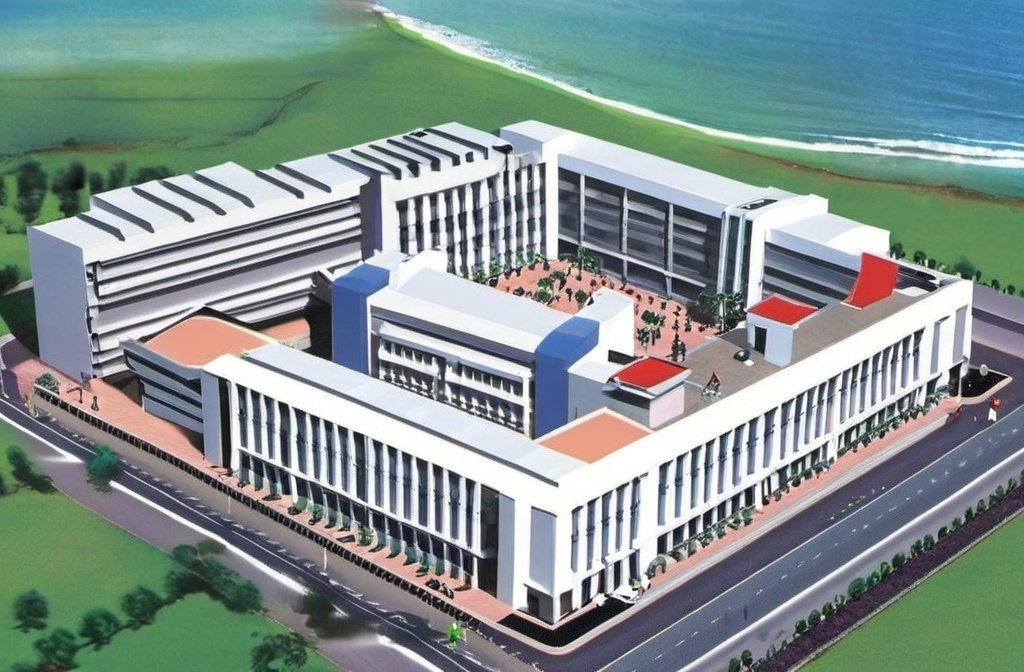
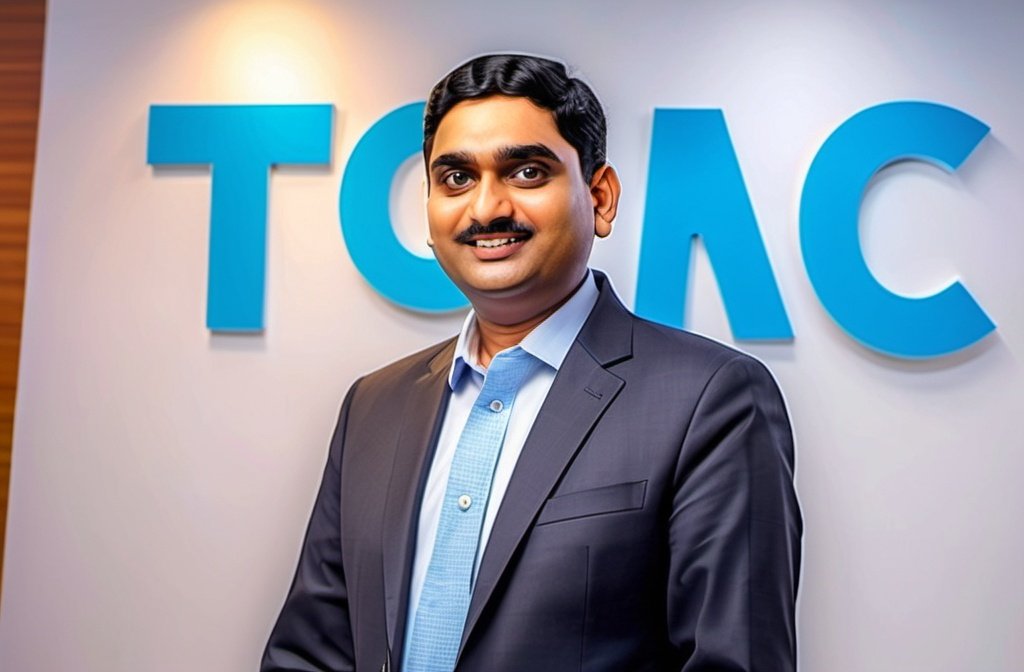
Visakhapatnam, often referred to as the “City of Destiny,” is set to witness a major boost in its IT sector as Tata Consultancy Services (TCS), one of India’s leading IT giants, is all set to commence operations in the city within the next three months. This announcement was made by Nara Lokesh, the General Secretary of the Telugu Desam Party (TDP), further solidifying the city’s growing reputation as an emerging IT hub.

A Game-Changer for Visakhapatnam’s IT Landscape

The entry of TCS into Visakhapatnam is a significant milestone in the city’s development journey. Known for its strategic coastal location, robust infrastructure, and growing talent pool, Visakhapatnam has been striving to establish itself as a major player in India’s IT industry. The arrival of a tech giant like TCS marks a crucial step in this direction.

Nara Lokesh, a strong advocate for technological advancements and IT investments in Andhra Pradesh, has played a crucial role in promoting Visakhapatnam as an ideal destination for IT companies. His announcement regarding TCS’s operations in the city has generated enthusiasm among tech professionals, students, and businesses.

Why TCS Chose Visakhapatnam?

TCS’s decision to set up operations in Visakhapatnam aligns with the broader vision of making Andhra Pradesh a major IT destination. Several factors contributed to this move:

1. Skilled Workforce

Visakhapatnam is home to prestigious educational institutions such as Andhra University, GITAM University, and several engineering colleges that produce a steady stream of skilled graduates. This talent pool makes it an attractive destination for IT companies looking to hire top-notch professionals.

2. Cost-Effective Business Environment

Compared to metropolitan cities like Bengaluru, Hyderabad, or Chennai, Visakhapatnam offers a cost-effective business environment with lower operational costs, affordable real estate, and competitive salaries for IT professionals.

3. Infrastructure and Connectivity

The city has excellent infrastructure, including a well-connected airport, a major seaport, and strong road and rail networks. With the government’s ongoing efforts to enhance IT parks and commercial spaces, Visakhapatnam is emerging as an ideal location for IT companies.

4. Government Support

The Andhra Pradesh government has been proactively working on policies and incentives to attract IT investments. With initiatives such as the Andhra Pradesh IT Policy 2021-2024, companies like TCS receive tax benefits, subsidies, and infrastructure support, making it easier for them to establish operations.

Job Creation and Economic Growth

The entry of TCS into Visakhapatnam is expected to create thousands of direct and indirect job opportunities. IT professionals, fresh graduates, and experienced engineers will have new career prospects, reducing the need for migration to other cities in search of jobs.

Moreover, the presence of a global company like TCS will encourage other IT firms and startups to consider Visakhapatnam as a viable business destination. This could lead to:

  • Increased demand for office spaces and co-working hubs.
  • Growth in ancillary industries like hospitality, real estate, and retail.
  • Expansion of IT training and skill development programs to cater to the growing job market.

Boost to the Local Economy

The establishment of TCS in Visakhapatnam will significantly contribute to the local economy. More employment opportunities mean higher disposable income, leading to increased spending in sectors like housing, entertainment, healthcare, and retail.

Additionally, TCS’s presence will enhance the city’s global reputation, making it a favorable destination for foreign investments and collaborations.

Impact on Andhra Pradesh’s IT Vision

Nara Lokesh has been a vocal proponent of IT development in Andhra Pradesh. His focus on bringing global IT firms to the state aligns with the long-term vision of transforming Andhra Pradesh into a knowledge-driven economy.

With TCS setting up its operations, other major IT companies may follow suit, further strengthening the IT ecosystem in the region. The government is also expected to enhance digital infrastructure, improve internet connectivity, and develop smart city initiatives to complement this growth.

Challenges and Future Outlook

While the arrival of TCS is a significant milestone, challenges such as talent retention, infrastructure expansion, and maintaining a business-friendly environment need to be addressed. The government must continue working on policies that support IT growth, invest in public infrastructure, and ensure a seamless experience for companies looking to invest in the region.

The future looks promising for Visakhapatnam as it moves closer to becoming a leading IT hub in India. With consistent efforts from the government, industry leaders, and academia, the city has the potential to compete with established IT destinations like Hyderabad and Bengaluru.

The announcement of TCS commencing its operations in Visakhapatnam in three months is a game-changer for the city’s IT sector. With immense job opportunities, economic growth, and infrastructural development on the horizon, this move will strengthen Andhra Pradesh’s position as a growing IT hub.

Under the leadership of visionaries like Nara Lokesh, and with the support of the government and industry stakeholders, Visakhapatnam is poised for a bright and prosperous future in the IT world. The city’s journey towards becoming a leading technology destination has just begun, and the arrival of TCS is only the first step in a much larger transformation.


The Maha Kumbh Mela, held every 12 years in Prayagraj, Uttar Pradesh, is one of the world’s largest religious gatherings, attracting millions of devotees and tourists. The upcoming Maha Kumbh Mela is scheduled from January 13 to February 26, 2025, offering a profound spiritual experience and a glimpse into India’s rich cultural heritage. For first-time visitors, thorough preparation is essential to navigate this vast event successfully.

Understanding the Significance

The Kumbh Mela is a Hindu pilgrimage where devotees gather to bathe at the confluence of the Ganga, Yamuna, and the mythical Saraswati rivers, known as the Triveni Sangam. This ritual is believed to cleanse sins and facilitate liberation from the cycle of rebirth. The festival’s timing is determined by specific astrological alignments, occurring every 12 years in Prayagraj.

Key Dates to Remember

The 2025 Maha Kumbh Mela features several auspicious bathing dates, known as Shahi Snan (Royal Baths), which are the highlights of the festival:

  • Paush Purnima: January 13, 2025
  • Makar Sankranti (First Shahi Snan): January 14, 2025
  • Mauni Amavasya (Second Shahi Snan): January 29, 2025
  • Basant Panchami (Third Shahi Snan): February 3, 2025
  • Maghi Purnima: February 12, 2025
  • Maha Shivratri (Final Holy Bath): February 26, 2025

These dates attract the largest crowds, as pilgrims believe that bathing on these days offers the most spiritual merit. Check detailed Travel Plan of Kumbh Mela 2025

Travel and Accommodation

Advance Planning: Given the massive influx of visitors, it’s crucial to book transportation and accommodation well in advance. Prayagraj is accessible by air, rail, and road. The nearest airport is Bamrauli Airport, with limited connectivity, so consider flying into Varanasi or Lucknow and traveling by road or train to Prayagraj. Indian Railways often provide special trains during the Kumbh Mela to accommodate the surge of pilgrims.

Accommodation Options: A variety of lodging options are available, from luxury tents to budget accommodations. The Indian Railway Catering and Tourism Corporation (IRCTC) is setting up the “Maha Kumbh Gram,” a premium tent city offering modern amenities and cultural experiences. citeturn0search3 Given the high demand, early reservations are essential.

Health and Safety Considerations

Medical Precautions: Ensure all routine vaccinations are up to date and consider vaccinations for diseases such as typhoid and hepatitis A. Carry a basic medical kit with essential medications, including those for common ailments like diarrhea, given the change in diet and water.

Food and Water: Consume only bottled or purified water and eat freshly prepared, hot food from reputable vendors to minimize the risk of foodborne illnesses.

Personal Safety: The dense crowds can be overwhelming. Keep personal belongings secure, avoid carrying large sums of money, and be cautious of pickpockets. It’s advisable to travel in groups and establish a meeting point in case members get separated.

Cultural Etiquette

Respecting Traditions: Dress modestly, covering shoulders and knees, to respect local customs. Remove footwear when entering temples or someone’s home. Always ask for permission before photographing individuals, especially sadhus (holy men) and pilgrims engaged in rituals.

Behavior: Maintain decorum during religious ceremonies. Avoid public displays of affection and refrain from consuming alcohol or tobacco in sacred areas.

Navigating the Mela

Crowd Management: Attend the Mela during weekdays and avoid major bathing dates if you prefer smaller crowds. However, if witnessing the Shahi Snan is a priority, prepare for significant crowds and plan to arrive at the bathing ghats early.

Facilities: Temporary facilities, including toilets, medical camps, and information centers, are set up throughout the Mela grounds. Familiarize yourself with their locations upon arrival. The “Mahakumbh Mela 2025” app provides important locations of ghats, temples, and other major religious sites to support tourists and pilgrims. citeturn0search8

Environmental Responsibility

Waste Management: Dispose of waste properly and use designated bins to help maintain the cleanliness of the Mela grounds. Avoid using plastic bags, as they are banned in many parts of India.

Sacred River Respect: Refrain from polluting the rivers. Avoid soaps or detergents when bathing, and do not throw offerings or waste into the water.

Connectivity and Communication

Mobile Services: Major Indian telecom providers offer coverage in Prayagraj, but networks may be congested due to the large number of visitors. Consider obtaining a local SIM card for better connectivity.

Emergency Contacts: Keep a list of emergency contacts, including local authorities and your country’s embassy or consulate. Share your travel itinerary with family or friends back home.

Cultural Experiences

Engage with Spiritual Leaders: The Mela provides an opportunity for spiritual leaders to listen to discourses and interact with sadhus, offering insights into Hindu philosophy and practices.

Participate in Cultural Programs: Various cultural events, including folk dances, devotional music performances, and art exhibitions, are organized during the festival, providing a deeper understanding of Indian culture.

Final Thoughts

Attending the Maha Kumbh Mela is a once-in-a-lifetime experience, offering profound spiritual and cultural insights. With careful planning and an open mind, first-time visitors can navigate the complexities of the festival and immerse themselves in its rich traditions.

On January 1, 2025, a Tesla Cybertruck exploded outside the Trump International Hotel in Las Vegas, resulting in one fatality and seven injuries. The incident is under investigation as a potential act of terrorism.

Reuters

The Cybertruck, rented via the Turo app, was parked at the hotel’s entrance when it erupted in flames around 8:39 a.m. Investigators discovered fireworks, gas tanks, and camping fuel in the vehicle’s bed, connected to a detonation system believed to have been controlled by the driver.

Elon Musk, CEO of Tesla, addressed the incident on social media, stating that the explosion was caused by the materials and was unrelated to the vehicle’s design. He remarked, “The evil knuckleheads picked the wrong vehicle for a terrorist attack. Cybertruck contained the explosion and directed the blast upwards. Not even the glass doors of the lobby were broken.”

The timing of this explosion has raised concerns about a potential link to an earlier attack in New Orleans, where a manuck into a crowd of New Year’s revelers, killing at least 15 and injuring dozens. Both vehicles in these incidents were rented through Turo. The FBI’s joint terrorism task force is leading the investigation to determine any connections between the two events.

The Trump International Hotel in Las Vegas, a 64-story luxury property, was evacuated as a precaution following the explosion The hotel management expressed gratitude to first responders and emphasized their commitment to guest and staff safety.

Wikipedia

This incident has sparked discussions about vehicle security and the potential misuse of rental platforms for malicious purposes. Turo, the car-sharing company used in both incidents, stated that they cooperate fully with law enforcement and noted that neither renter had a criminal background that would have flagged them as security threats.

As the investigation continues, authorities urge the public to remain vigilant and report any suspicious activities. The incidents have also prompted discussions on enhancing security measures for publicized stricter regulations on selling and transporting explosive materials.

In conclusion, while the explosion outside the Trump International Hotel in Las Vegas resulted in tragic loss and injuries, the design of the Tesla Cybertruck may have mitigated further damage. Elon Musk’s statement underscores the vehicle’s resilience, though it also highlights the challenges in preventing the misuse of technology for harmful purposes. The ongoing investigations will hopefully provide more insights into these incidents and inform future safety measures.

In recent years, a remarkable trend has emerged among India’s senior citizens: an increasing number are embarking on adventurous journeys to some of the world’s most remote and challenging destinations, including Antarctica and the North Pole. This shift reflects a broader change in the travel aspirations of older adults, who are now seeking unique and enriching experiences beyond traditional tourist spots.

The post-pandemic era has witnessed a significant transformation in the travel patterns of Indian senior citizens. Tour agencies have observed a growing demand for adventure and non-traditional international destinations among this demographic. Senior travelers are increasingly willing to explore the northern lights at the North Pole or embark on expeditions to the Antarctic, either independently or in small groups with fellow seniors.

Business Standard

KareVoyage, a travel platform catering to individuals over 50, reports a 17% year-on-year growth in senior citizen travel. Notably, their outbound senior travel numbers have tripled between March 2021 and March 2024. Shefali Mishra, founder of KareVoyage, notes that the outbound travel market for Indian senior citizens is transforming remarkably, with a projected 193% growth for those aged 65 and above by 2025.

Magzter

Factors Driving the Trend

Several factors contribute to this burgeoning interest in extreme travel among India’s senior citizens:

  1. Improved Health and Longevity: Advancements in healthcare have led to increased life expectancy and better quality of life, enabling seniors to undertake physically demanding journeys.
  2. Financial Stability: Many seniors now possess the financial means to fulfill their travel aspirations, including trips to remote and expensive destinations.
  3. Desire for Unique Experiences: There is a growing inclination among seniors to seek unique and enriching experiences that offer personal growth and fulfillment.
  4. Specialized Travel Services: The emergence of travel agencies and platforms specializing in senior travel has made it more accessible and tailored to the needs of older adults.

Challenges and Considerations

While the allure of extreme destinations is strong, senior travelers must consider several factors to ensure a safe and enjoyable experience:

  • Physical Fitness: Undertaking journeys to places like Antarctica or the North Pole requires a certain level of physical fitness. Seniors should assess their health and consult medical professionals before planning such trips.
  • Travel Insurance: Comprehensive travel insurance that covers adventure activities and potential health issues is essential.
  • Climate and Environmental Conditions: Extreme weather conditions in these destinations necessitate appropriate gear and preparation.
  • Group Travel: Joining organized tours with other senior travelers can provide additional support and camaraderie.

The Appeal of Antarctica and the North Pole

Antarctica and the North Pole offer unparalleled experiences that attract adventurous senior travelers:

  • Antarctica: Known for its breathtaking landscapes, unique wildlife, and pristine environment, Antarctica provides opportunities for activities like ice trekking, wildlife observation, and experiencing the midnight sun.
  • North Pole: The allure of standing at the Earth’s northernmost point, witnessing the aurora borealis, and exploring icy terrains draws many to the North Pole. Expeditions often involve icebreaker cruises and helicopter tours, offering a sense of adventure and discovery.

The increasing number of Indian senior citizens embarking on extreme travels to destinations like Antarctica and the North Pole signifies a shift in the perception of aging and adventure. With better health, financial stability, and a desire for unique experiences, seniors are redefining their retirement years. As the travel industry continues to adapt to this growing demographic, more seniors will likely explore the farthest corners of the globe, embracing the adventures that await them.

In a remarkable achievement, students from Dyal Singh Public School in Karnal, Haryana, have been recognized by NASA for their discovery of asteroids. Under the guidance of their principal, Sushma Devgan, and participating in NASA’s International Astronomical Search Collaboration (IASC), these young astronomers identified at least 11 new near-Earth objects.

One standout student, Diksha, a Class 11 student, along with her team named Aryabhatta, made a provisional discovery of a main belt asteroid designated as TD40. This significant finding was made possible through data provided by the Pan-STARRS telescope. In recognition of her contribution, the asteroid will be named after Diksha, marking a first for any school in Haryana.

Hindustan Times

The students’ journey into asteroid discovery was facilitated by the IASC, an online astronomy scientific program that provides students with high-quality astronomical data worldwide. Through this program, students gain access to images captured by the Pan-STARRS telescope in Hawaii. They utilize advanced software to analyze these images, searching for asteroids and near-Earth objects (NEOs) that could potentially pose a threat to Earth.

Tribune India

This achievement is not an isolated incident. In 2020, Indian students participating in the International Asteroid Discovery Project, conducted by STEM & Space in collaboration with IASC, discovered 18 new asteroids. These discoveries were later confirmed by the International Astronomical Union (IAU) and cataloged in the Minor Planet Catalog.

The success of Diksha and her peers underscores the importance of providing students with opportunities to engage in real-time scientific research. By participating in programs like the IASC, students not only contribute to the global scientific community but also gain invaluable experience in the field of astronomy. Such initiatives inspire young minds to pursue careers in science, technology, engineering, and mathematics (STEM), fostering a new generation of innovators and researchers.

Principal Sushma Devgan emphasized the significance of this achievement, noting that the students worked diligently for two years under expert guidance, utilizing free online software provided for the project. These students’ dedication and hard work have brought pride to their school and state, setting a precedent for future aspiring astronomers.

Hindustan Times

The recognition from NASA serves as a testament to the potential of young Indian students to contribute to space exploration and research. It also highlights the effectiveness of collaborative educational programs that bridge the gap between academic learning and practical application. As these students continue their academic journeys, their achievements may inspire others to explore the vast possibilities beyond our planet.

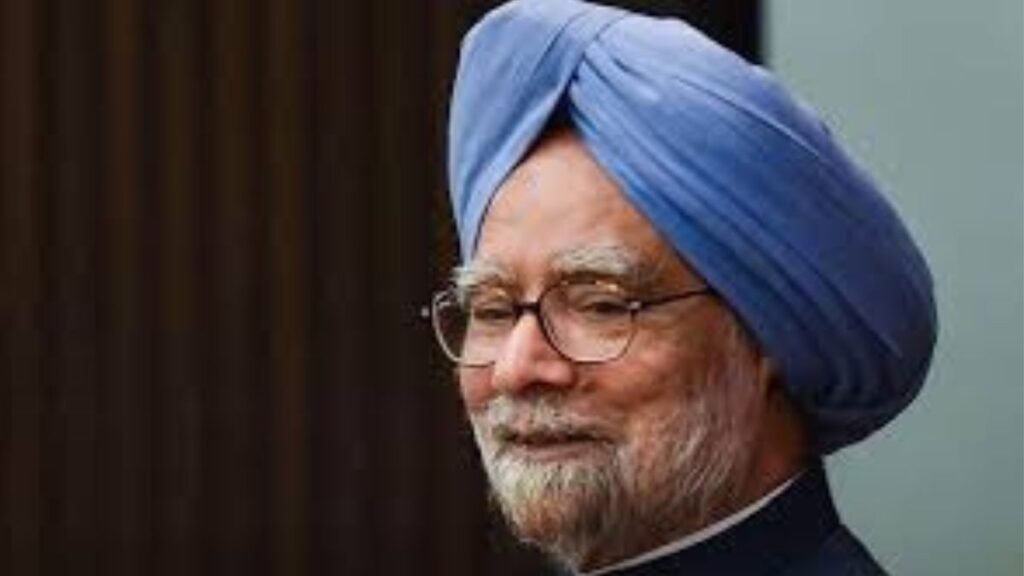
In a heartwarming revelation that highlights humility and integrity, former Prime Minister Dr. Manmohan Singh’s long-standing association with a modest 2 BHK house in Guwahati has captured the nation’s attention. This story not only sheds light on Dr. Singh’s simple lifestyle but also underscores his unwavering principles as a diligent tenant, even during his tenure as one of the most powerful leaders in India.

A Humble Beginning

The two-bedroom house in Guwahati, Assam, served as Dr. Manmohan Singh’s official residential address for decades. Situated in the heart of the city, this unassuming property was leased by Singh when he was appointed as a Rajya Sabha MP from Assam in 1991. Despite rising to the highest office in the country, Dr. Singh retained this residence, exemplifying his deep connection to the region and his humble approach to life.

Consistent and Responsible Tenant

According to reports, Dr. Singh consistently paid rent for the 2 BHK property without fail, even after stepping down as Prime Minister in 2014. His unwavering commitment to fulfilling his responsibilities as a tenant stands in sharp contrast to the extravagant lifestyles often associated with political figures. This diligence extended beyond financial obligations; neighbors and landlords have recalled Dr. Singh’s respectful demeanor and his earnest efforts to maintain the property.

The house, though modest in structure, held significant sentimental value for Dr. Singh. It represented not only his connection to Assam but also his enduring belief in simplicity, integrity, and accountability – qualities that have defined his public life.

Assam’s Bond with Dr. Manmohan Singh

For over two decades, Assam remained a key constituency for Dr. Singh. His representation of Assam in the Rajya Sabha fostered a unique bond with the state and its people. Despite hailing from Punjab, Dr. Singh’s dedication to Assam was evident through his frequent visits and efforts to address local issues at the national level.

The 2 BHK house in Guwahati became a symbol of this connection. Residents fondly remember Dr. Singh’s visits and his interactions with them painted a picture of a leader who never distanced himself from the people he represented. This enduring relationship solidified Dr. Singh’s reputation as a leader who valued his roots and responsibilities, irrespective of his national and international stature.

Scroll to Top
× How can I help you?